

We all know that 3D printing is set to change the world. Soon we’re going to be able to print anything in the comfort of our own homes. It is going to be a total revolution, but we will face issues along the way. Copyright is a complex problem that keeps coming up and so far there is no simple solution.
We need designers and research and development if we want to enjoy amazing products. But if we combine a 3D printer with a 3D scanner, we can basically mass produce anything we can touch. If we suddenly don’t have to pay for anything, then how will the creators protect their intellectual property? The legal industry is nervous.
Music set some precedents
There’s a precedent for this. When the music industry went digital then piracy ran rampant. Suing people didn’t work, digital locks didn’t work and eventually the music industry did the smart thing and embraced digital delivery. The end result was cheaper music for the end user and reduced levels of piracy.
So how does 3D printing learn from the music industry’s experience? PBS’s Idea Channel recently tackled the debate with a YouTube video, where it invited Shapeways General Counsel Michael Weinberg along to explain the true complexity of the task ahead.
Shapeways prints designs supplied by individuals and business, so it is an authority on the legal situation. Weinberg says that, even for them, it’s complicated.
Patent or copyright?
Functional items can’t be copyrighted, but they can be covered by patents. We’re talking about things like hinges, door handles, screws and the like when we talk about functional items that are fair game. Of course a highly complex machine that happens to be functional will be covered by an all-encompassing patent. Decorative items, meanwhile, are automatically covered by copyright law.
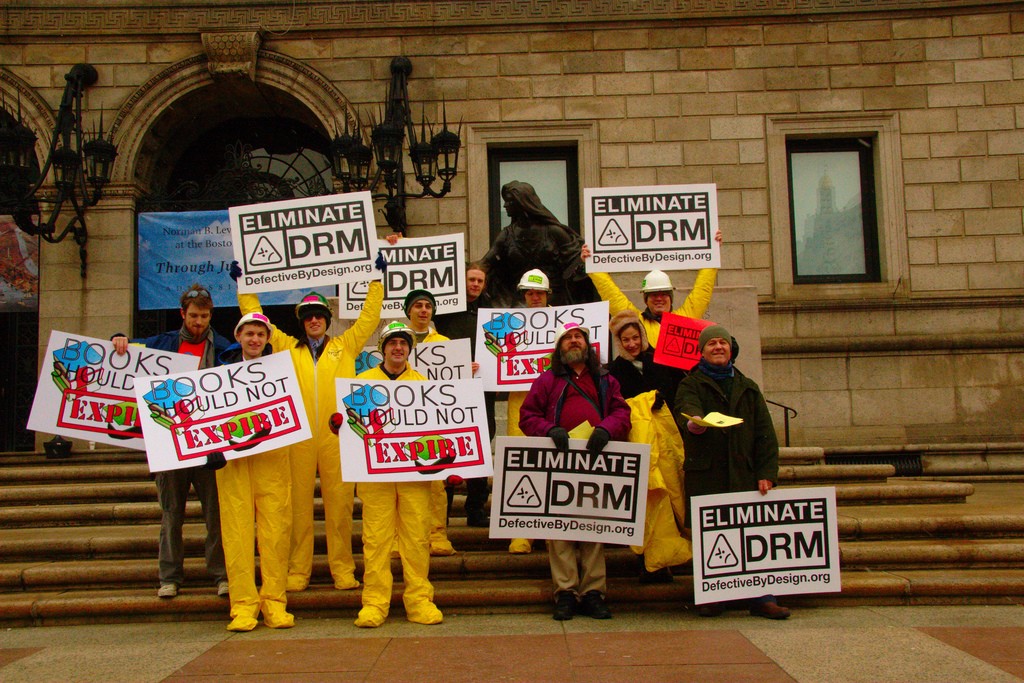
How to enforce it, though? Well content IDs are one potential solution, with printers refusing to accept copied files. Weinberg suggests that, like DRM, this is a fatally flawed system that will not stop the determined counterfeiter and could cause problems for legitimate users.
Verification, rather than enforcement?
The lawyer prefers a more open system. He proposes that anybody can download files, but if they want a verified file then they would be willing to pay. If you want a replacement part for your aeroplane, for instance, then you would be happy to pay more for a part that you know comes from the factory. That file could also ensure the printer is capable of producing a part that won’t send you plummeting from the sky.
On the decorative front, some customers will pay more for a certificate of authenticity and a limited piece. If the artist allows the general population easy access to another piece and keeps one work separate at a higher price, this system can work.
So digital verification, rather than copyright law, could be the future of intellectual property. We may have to turn the whole concept on its head, abandon copyright protection as a lost cause and embrace verification as an additional benefit.
This will go to court
It is inevitable, 3D printing issues will go before a judge at some point. When that happens, the judge in question will want to know about the generally accepted practices in the industry. So it’s up to the 3D printing pioneers to set their own bar in terms of freedom of information. How restrictive do we really want to be?
The maker community is remarkably open and whole communities are based on sharing designs, hacks and techniques. There is more and more talk of open source design and we may well be heading towards a future where copyright simple fades into the background.
We can learn from the music industry, make our own rules and come up with new solutions. We’re all waiting to see exactly what they are.