

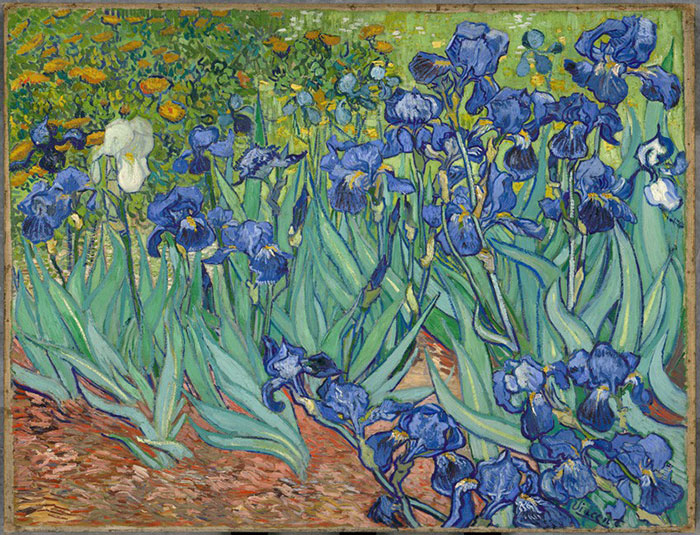
Russian startup Prixel offers 3D printed versions of close to 50 paintings complete with mimicked brushstrokes. The faux paintings stand apart from simple 2D prints offered by standard retail. Prixel uses its 3D format to lay down multiple layers, up to 20 layers for pricier prints, in a wide spectrum of colours simulating the acts of individual brushstrokes. Currently, Prixel presents customers with familiar art work from Russia and ubiquitous Van Gogh’s. The tactile verisimilitude of these 3D prints adds a new element to owning a replica work of art that averages between $100 to $200 through Prixel.
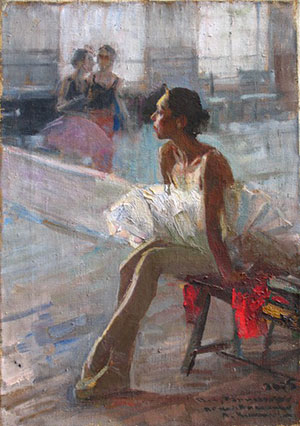 The prints are stunningly gorgeous. The amount of detail and layers of print stand as a testament to the meticulous genius of successful 3D printing. With replicas such as the ones offered by Prixel, a reprint of a famous or adored painting would not have the glossed or flat appearance of traditional 2D prints. We purchase art replicas because we want the art at hand, on a wall or door, but always for intimate reasons, personal joy. Prixel understands this love affair with art, and with 3D printing it enhances the joy of owning art. The work is not the original, nor does it claim to be. Humbleness inherent in the sale only encourages the sensation of owning the replica. Through this model, and especially the replica now available with 3D printing, we can purchase art for the real reason it ought to be purchased: For its beauty.
Prixel uses wide-format ultraviolet printers able to read variances in brushstroke nuances such as depth as well as detail in paint color and shine. The method allows Prixel to mimic styles and vibrancies of various artists. One of the qualities that has traditionally set apart gallery viewings from dorm room prints is the ability to see the painting not just as a painting but see the genius in the art. In an original work, complete with apparent or softly hidden strokes, the viewer can literally see the machinations that formed the image. Prixel brings that experience into the home without the hassle and hit to the wallet an auction at Sotheby’s would entail. There will be debates arising from 3D printed painting replicas as the market grows as I am positive it will (I would prefer them to regular 2D prints). While the ability to accurately mimic brushstrokes and colour bring to mind the frightening story of a computer that could write any kind of poetry better than any human poet, for now it can be simply appreciated as art is meant to be. For works like Van Gogh’s with brushstrokes and dashes of paint making all the difference, it may just be possible to eventually recreate galleries and museums for the walk to the kitchen.
Source: Gizmodo